
Energy, Safety, and the Military
Federalist PapersThis thread traces the tension between national preparedness and the danger that military institutions may diminish civil liberty.
increasing Bearing strength in each event
 decreasing
Bearing strength in each eventdecreasingWar and Institutional Change
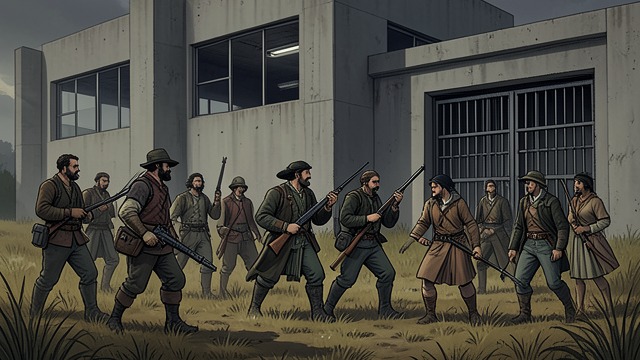
War and Institutional Change
Insecurity demands preparation
Hamilton predicts that recurring conflict among separate States would encourage standing armies and stronger executives. The need for defense would reshape political institutions, not merely consume public resources.
Safety's paradox
The effort to escape danger could make citizens accept diminished liberty. Hamilton presents militarization as a predictable consequence of persistent insecurity rather than an isolated constitutional abuse.
National Defense Powers
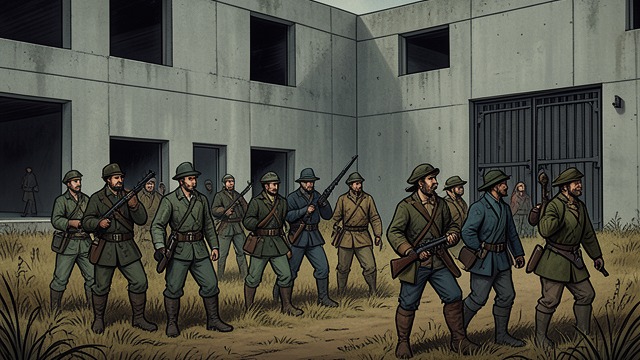
National Defense Powers
Unforeseeable dangers
Hamilton argues that the means of defense cannot be fully limited in advance because threats and military needs vary. A government charged with national safety must possess adequate authority over forces and revenue.
Legislative responsibility
The military powers are assigned to the national legislature, not left solely to the executive. Hamilton presents public representation and periodic decisions as safeguards alongside governmental capacity.
The Peace Establishment Debate
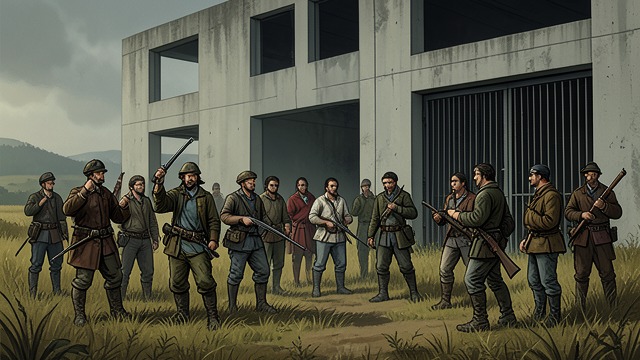
The Peace Establishment Debate
Objections to standing forces
Critics fear that military establishments during peace could threaten liberty. Hamilton answers that frontier posts and military preparations may be necessary even when the country is not at war.
An imperfect restraint
The Constitution limits army appropriations to two years rather than prohibiting forces outright. Hamilton argues that a strict prohibition could be evaded or abandoned when public necessity arises.
Militia as a Substitute

Militia as a Substitute
Uniform organization
Hamilton supports national coordination of militia organization and discipline while reserving officer appointments to the States. The arrangement is meant to improve readiness without requiring the whole population to train constantly.
Citizens as a counterweight
A select, trained militia could reduce reliance on a large standing army and provide a defense against military domination. Hamilton answers critics by presenting the militia as a potential security for liberty.
Preparedness and Freedom
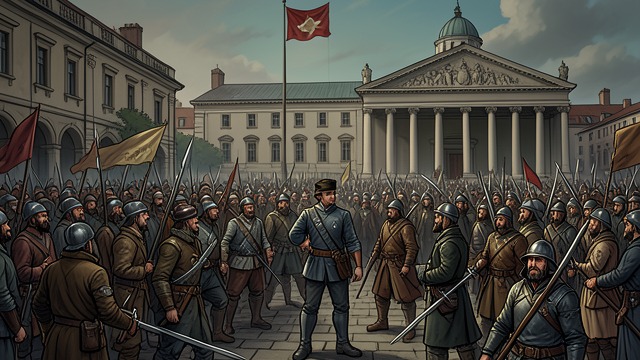
Preparedness and Freedom
The danger remains real
Madison accepts that national defense requires power, while arguing that Union reduces the dangers that would otherwise prompt extensive military establishments. The two claims connect security to the maintenance of political union.
Double protection
State governments and armed citizens are presented as additional safeguards against federal abuse. The essays attempt to reconcile a capable national defense with public and local resistance to tyranny.
Federalist No. 8, November 20, 1787
Federalist Nos. 23–25, December 18–21, 1787
Federalist Nos. 24–26, December 19–22, 1787
Federalist No. 29, January 9, 1788
Federalist Nos. 41 and 46, January 19–29, 1788
